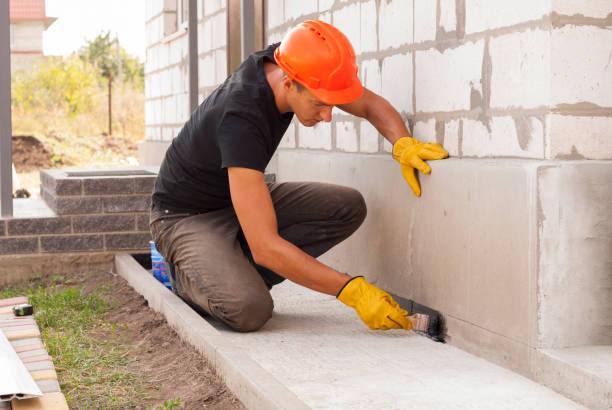
Diagnosing the source before treating the symptom is what separates a lasting repair from a temporary fix. Your basement has a specific leak pathway, and we find it before we ever open a bucket of waterproofing compound.
Every repair comes with the confidence of a certified waterproofing professional.
When water is actively entering your basement, speed is critical. Fast containment is the first step toward preventing mold, structural damage, and costly secondary repairs.
We use industry diagnostic methods to trace water paths through your foundation before touching a single tool. Our process includes inspecting wall cracks, tie rod holes, cove joints, window wells, and floor-wall interfaces to determine the exact entry point.
Left untreated, efflorescence indicates the mineral salts and water pressure that will eventually cause spalling and wall deterioration. Removing the deposits without addressing the source just delays the same problem.
Every completed job comes with a warranty that protects you against the same issue recurring within the guaranteed period. If the repair site shows water intrusion within the warranty period, we return at no cost to identify and correct the issue.
Understanding what a wet basement actually is, at a technical level, is the foundation of every repair we do in Bangor. Treating a cove joint problem like a wall crack problem is a mistake that causes repeat failures and frustrated homeowners. Cove joint intrusion is particularly common in older homes where the joint between the wall footing and the basement floor has deteriorated and no longer forms a watertight seal.
The deposits themselves are not damaging, but what they represent is: sustained water pressure working its way through your foundation every time the ground around your home becomes saturated. When we see heavy efflorescence on a wall, we know water has been moving through that section consistently, not just during exceptional rain events.
Unlike standard patching compounds that require a dry surface to bond, hydraulic cement expands as it cures and can be applied directly against flowing water. That is why hydraulic cement is typically used as part of a broader repair plan that addresses the overall moisture management system in and around the basement. The advantage of crystalline products is that they are self-sealing, meaning they continue to react with moisture over time and can reactivate if the concrete is re-wetted after initial treatment.
One of the most common and costly mistakes homeowners make when dealing with a wet basement is applying a waterproofing paint or coating without addressing the underlying moisture source. The real solution depends entirely on what is causing the water to enter in the first place. If the issue is a failed footing drain or hydrostatic pressure buildup, the long-term solution involves a drainage system, either interior or exterior, that relieves that pressure rather than simply trying to resist it.
Skipping the diagnostic step and going straight to a repair material is the reason so many basement repairs fail within a year or two. We document our findings, explain our recommended approach in plain language, and give homeowners a clear picture of what is causing the problem and why the proposed solution addresses it at the source.
Epoxy injection and polyurethane foam are matched to the specific crack and moisture level present.
Properly sealed cove joints prevent the gradual seepage that can go unnoticed until floor damage occurs.
These small penetrations can allow significant water over time if left untreated, especially under seasonal hydrostatic pressure.
Window well covers and gravel drainage beds are matched to each window's size and exposure level.
Basement floor cracks that allow water intrusion require different treatment than wall cracks.
Applied to prepared masonry, crystalline compounds react with moisture to fill pores and hairline cracks at the molecular level.
Our diagnostic process identifies the exact water pathway and pressure conditions before any repair plan is proposed.
Based on our findings, we develop a repair plan matched specifically to your basement's failure modes and your budget.
Our certified technicians execute the repair using professional-grade materials rated for the specific conditions in your basement.
We do a complete walkthrough of all repair areas with you before closing out the job, and deliver your written warranty documentation.
"After three failed attempts at fixing the same corner of our basement, I called JCB Waterproofing and Construction. They found the problem in 20 minutes, explained exactly what was happening, and fixed it properly. We have had three major rain events since then and not a drop."
"The efflorescence on our block walls was everywhere and we were worried about structural issues. The JCB Waterproofing and Construction team explained exactly what it meant, what was causing it, and gave us a real repair, not a coat of paint. Professional and thorough."
"I had an active leak through what turned out to be old tie rod holes. JCB Waterproofing and Construction came out within a few hours of my call. They stopped the water with hydraulic cement and crystalline waterproofing. Excellent work, excellent communication."
Call the Wet Basement Repair specialists at JCB Waterproofing and Construction for a professional diagnosis and honest repair recommendation in Bangor